


-

Add: HeBei ShengShi HongBang Cellulose Technology CO.,LTD.
-

Email
13180486930@163.com -

CONTACT US
+86 13180486930

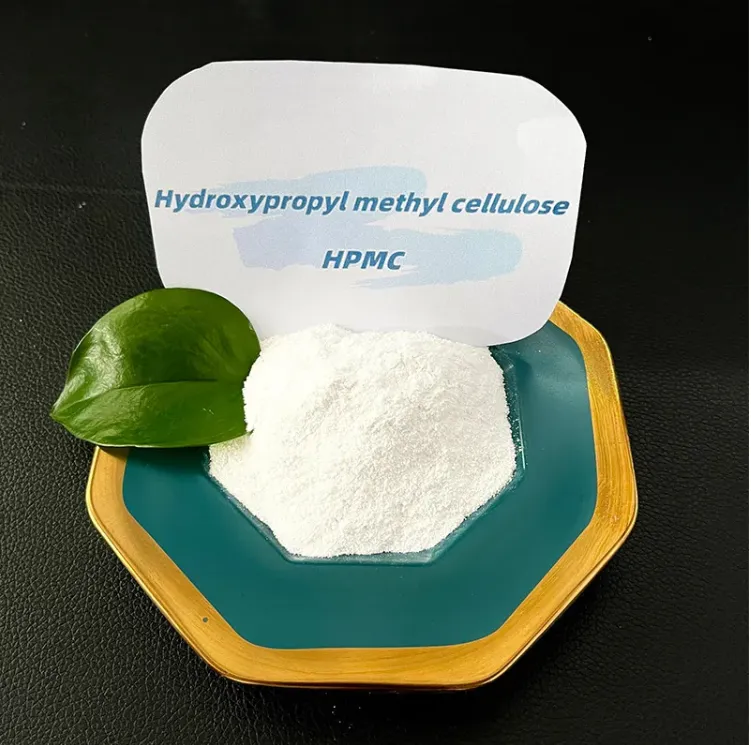

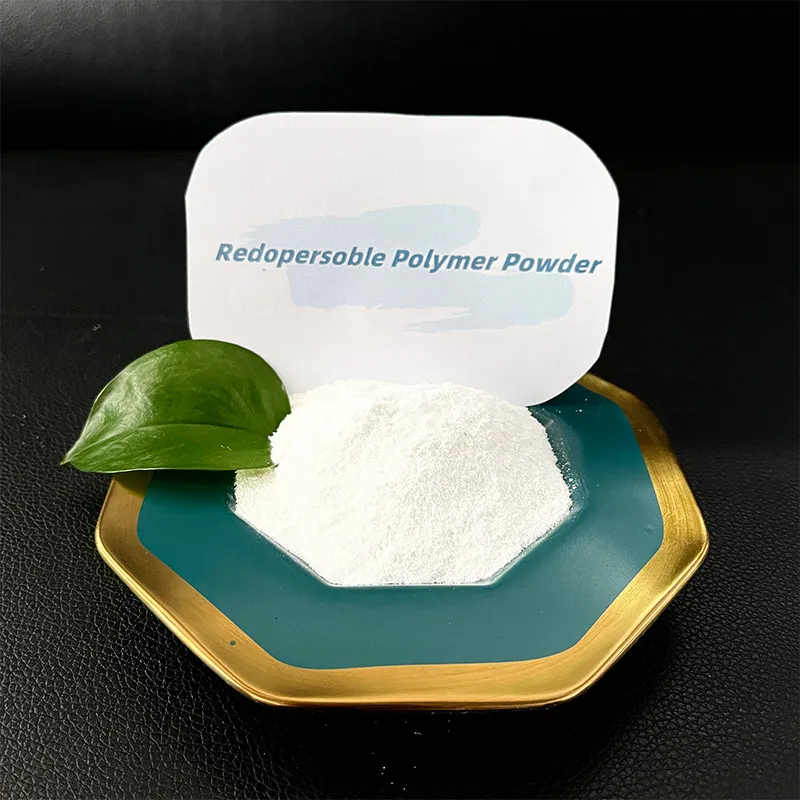
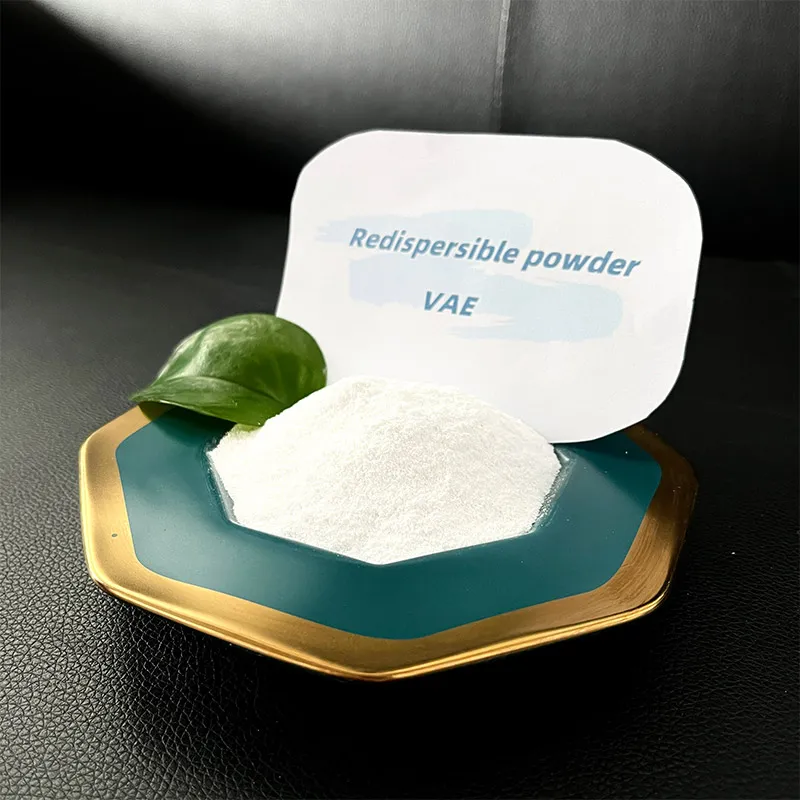


Polymer powder is a key ingredient in many industries, providing critical properties to products in construction, adhesives, coatings, and more. With its wide range of applications, polymer powder enhances the performance, durability, and flexibility of finished products. Available in various forms, polymer powder s can be tailored to meet the specific needs of different applications, making them a versatile choice for manufacturers worldwide. Whether you're working in construction, paints, or textiles, polymer powder offers the ideal solution for improving your products’ functionality. Explore Our Range of Colored Polymer Powder If you need vibrant, long-lasting colors in your products, colored polymer powder is the way to go. Whether you're producing construction materials, decorative coatings, or consumer goods, colored polymer powder offers an efficient way to introduce rich, stable colors into your products. Our premium colored polymer powder is designed to maintain its brightness and consistency, ensuring your products stand out. With a wide selection of shades, you can achieve the exact color you need while maintaining high quality and performance. The Benefits of Redispersible Polymer Powder Redispersible polymer powder is a game-changer in many industrial applications. Unlike traditional resins, redispersible polymer powder can be re-dispersed in water to create a solution, which offers greater convenience and efficiency for various processes. Widely used in adhesives, tile grout, and plaster, redispersible polymer powder enhances bonding strength, flexibility, and durability. This type of polymer powder is particularly valued in the construction and building materials sectors, providing superior performance while reducing transportation and storage costs. Discover the many benefits of using redispersible polymer powder in your formulations today. What Influences Polymer Powder Price? When considering polymer powder price , it’s important to understand the factors that affect the cost. The polymer powder price can vary depending on the type of polymer used, the quantity purchased, and the specific application for which the powder is intended. High-performance polymer powder may be priced higher due to its specialized formulations, while larger orders typically reduce the cost per unit. Additionally, polymer powder price can also depend on the presence of additives, colorants, and whether the polymer powder is customized for particular applications. To ensure you're getting the best value for your needs, always consider both the performance and the cost-effectiveness of the polymer powder price . Why Choose Our Polymer Powders for Your Business? Our polymer powder products are crafted with the highest standards of quality and performance, ensuring that your manufacturing processes run smoothly. From colored polymer powder to redispersible polymer powder , we offer a comprehensive selection that suits a wide variety of industries. Our polymer powder solutions are designed to enhance the quality of your final products, increase production efficiency, and offer cost-effective solutions for your business. With competitive polymer powder price s, we guarantee the best value for your investment. Whether you need a specialized formula or a standard polymer powder , our products are the perfect addition to your production line. Polymer Powders FAQs What is polymer powder? Polymer powder is a fine, dry material made from polymers, typically used in various industrial applications to improve the properties of products like adhesives, coatings, and construction materials. It is valued for its ability to enhance flexibility, strength, and durability in the final product. Polymer powder can come in different types, such as colored polymer powder or redispersible polymer powder , each serving specific functions depending on the industry. What is colored polymer powder used for? Colored polymer powder is primarily used to add vibrant colors to products such as construction materials, coatings, and consumer goods. The color pigments are stable and long-lasting, ensuring that the final product maintains its color over time, even under challenging conditions. It’s ideal for applications where both color and performance are important, making it perfect for industries like construction, automotive, and packaging. What is redispersible polymer powder and how is it used? Redispersible polymer powder is a special type of polymer powder that can be re-dispersed in water, forming a solution that can be easily applied in a variety of industrial processes. It’s commonly used in adhesives, tile grouts, and plaster, where it improves bonding strength, flexibility, and water resistance. The ability to re-dispense the polymer powder in water makes it a more convenient and cost-effective solution for many manufacturing processes. How does the polymer powder price vary? The polymer powder price depends on several factors, including the type of polymer used, the quantity purchased, and whether any special additives or colors are involved. Specialty redispersible polymer powder sand colored polymer powder s often come at a higher price due to their advanced formulations. Additionally, larger volume purchases can reduce the polymer powder price per unit, offering better cost-effectiveness for bulk orders. Why should I choose your polymer powders? Our polymer powder sare craftedto meet the highest standards of quality, ensuring that your products perform at their best. We offer a wide selection of colored polymer powder s and redispersible polymer powder s, all designed to enhance the durability, flexibility, and performance of your products. Our polymer powder price is competitive, offering you the best value for your investment. Whether you’re in construction, coatings, or any other industry, we have the perfect polymer powder solution for you.
- 40000tons

Production
- 20+years

Experience
- 5000+㎡

Acreage

-
Retained Hydroxypropyl Methylcellulose (HPMC) has long been a cornerstone in various industrial and pharmaceutical applications, offering versatile properties that enhance product formulations, consistency, and performance. The recent discontinuation of certain retained HPMC products has sparked concern and curiosity among businesses and consumers who relied on its unique benefits. This article delves into the implications of this discontinuation, offers alternatives, and discusses the broader impact on industries that heavily utilized these products. Retained HPMC is renowned for its exceptional ability to control moisture, serve as a thickening agent, and sustain the stability of emulsions and suspensions. Its non-toxic, inert properties have made it a popular choice in the pharmaceutical industry for coating tablets, controlling drug release , and even in topical formulations. The construction sector also values HPMC for enhancing the workability of mortar and cement products, reducing water retention, and promoting adhesive properties. The discontinuation of retained HPMC products can be attributed to several factors, including shifts in market demand, advancements in technology, and changes in regulatory standards. For instance, increasing scrutiny over synthetic additives and a growing push for more sustainable, biodegradable alternatives have influenced manufacturers to reconsider their product lines. Furthermore, innovations in biopolymers and natural thickeners are providing effective substitutes that align with contemporary consumer preferences for eco-friendly ingredients. Businesses reliant on retained HPMC must now explore alternative solutions that can offer comparable performance characteristics. One promising substitute is cellulose ethers derived from natural sources, which maintain the desirable properties of HPMC while addressing environmental concerns. These alternatives minimize ecological impact and align with the industry's movement towards more sustainable practices. Moreover, professionals working in R&D departments are tasked with reformulating products to adapt to the absence of retained HPMC. This presents an opportunity for embracing innovation, as new formulations can potentially outperform traditional ones not just in terms of efficacy, but also in meeting regulatory standards and consumer expectations. Collaborative efforts across industries may foster the rapid development and acceptance of suitable replacements, thereby maintaining product integrity and customer satisfaction. retaine hpmc discontinued For industries such as pharmaceuticals and construction, the transition away from retained HPMC products necessitates thorough testing and validation processes to ensure the quality and safety of new formulations. This requires increased investment in R&D and robust collaboration with suppliers who can provide consistent, high-quality alternative ingredients. The discontinuation also highlights the importance of future-proofing product development to anticipate market shifts and regulatory changes. Companies that invest in adaptable, innovative solutions position themselves advantageously to navigate potential disruptors, ensuring long-term resilience and competitiveness. Engaging with regulatory bodies, industry groups, and consumer feedback can offer valuable insights and guide the development of high-performing alternatives. While the phase-out of retained HPMC products may pose challenges, it also paves the way for forward-thinking companies to lead the charge in sustainable innovation. By embracing this change, industries can not only sustain their operations but also contribute to broader environmental goals and enhance their reputation as conscientious, responsible market players. In conclusion, the discontinuation of retained HPMC products necessitates a strategic pivot towards sustainable alternatives. Through embracing innovation, rigorous testing, and cross-industry collaboration, companies can effectively navigate this transition. This approach ensures that businesses remain competitive and responsive to evolving market demands and regulatory landscapes, all while contributing positively to environmental sustainability.
-

Hydroxypropyl methylcellulose (HPMC) is a multi-functional polymer that garners extensive attention across various industries due to its impressive solubility characteristics in water and a wide array of applications. As an industry veteran with years of firsthand experience, I have witnessed how the solubility of HPMC in water significantly enhances product performance, making it a go-to choice for formulators. To understand HPMC's solubility in water, it is crucial to first delve into its chemical structure. HPMC is a non-ionic cellulose ether derived from alkali cellulose through a reaction with methyl chloride and propylene oxide. This distinctive structure is pivotal to its solubility. When HPMC is dispersed in cold water, it hydrates and swells rapidly, forming clear solutions or gels depending on the temperature and concentration. Its solubility in cold water renders it highly versatile, allowing it to be utilized in various dosages and applications. One factor that influences HPMC’s solubility is the degree of substitution (DS) and the molar substitution (MS). A higher degree of substitution results in more hydrophobic methoxy and hydroxypropyl groups on the cellulose backbone, enhancing its water solubility. Industrial applications leverage this property by selecting HPMC grades with optimal DS and MS to tailor performance for specific requirements. For instance, in the pharmaceutical domain, this characteristic is essential for controlled drug delivery systems, where HPMC acts as a rate-controlling agent. Temperature plays a significant role in the solubility dynamics of HPMC. Known for its reversible thermal gelation properties, HPMC will dissolve in cold water but can precipitate out of solution when exposed to rising temperatures, exhibiting gel formation. This unique property is expertly harnessed in construction applications, where HPMC is utilized to improve the water retention and workability of cement-based materials. Mastery of this thermoreversible behavior allows product developers to fine-tune formulations for enhanced efficiency and performance reliability. hpmc solubility in water My professional involvement with HPMC spans a broad spectrum of industries. In personal care products, its water solubility is an asset in formulating non-sticky lotions and creams that offer consistent viscosity over a range of temperatures. In the food industry, as a thickener or stabilizer, HPMC promises uniformity and stability, maintaining product integrity under varying storage conditions. The transparency and viscosity of HPMC solutions make them ideal for eye drops and other ophthalmic preparations, where clarity and uniform distribution of active ingredients are paramount. Despite its advantages, HPMC’s solubility in water poses challenges . For instance, incorrect dispersion can lead to clumping, which compromises the efficiency and clarity of solutions. Through my experience, I recommend the gradual addition of HPMC to the vortex of a well-stirred cold water solution to prevent lump formation. This method ensures even hydration and dissolution, maximizing the functional benefits of HPMC for the intended application. Regulatory compliance and product consistency are of utmost importance in any formulation involving HPMC. Adherence to standards set by bodies such as the U.S. Pharmacopeia (USP) fortifies the trustworthiness of HPMC-based products, providing assurance that they meet safety and efficacy benchmarks essential for consumer confidence. In conclusion, the solubility of HPMC in water is a defining feature that enhances its application potential across industries. By leveraging its unique properties, formulators can innovate and produce high-performance products with the reliability and efficacy that modern consumers demand. By sharing my expertise and insights, I aim to empower industry professionals to make informed decisions that capitalize on HPMC’s immense capabilities.
advantages
-

200000 Viscosities
Excellent product
We can produce pure products up to 200,000 viscosities
-

40000 tons
High yield
We don’t stop production all year round, and the annual output can reach 40,000 tons
-

24 hours
Quality service
We provide 24-hours online reception service, welcome to consult at any time
———— Inquiry Form
Schedule A services

-
 caracteristiques_des_fibres_de_polypropylene
Oct . 25, 2025
Hebei ShengShi HongBang Cellulose Technology Co., Ltd., located in the Xinji Provincial Clean Chemic -
 is_wood_pulp_cellulose
Oct . 25, 2025
In the quest for advanced pharmaceutical solutions, HPMC Dextran 70 emerges as a significant player, -
 polypropylene_fiber_price
Oct . 25, 2025
Rubber powder, often derived from recycled rubber products, has carved out a crucial niche in the su


